Moving a vehicle across borders
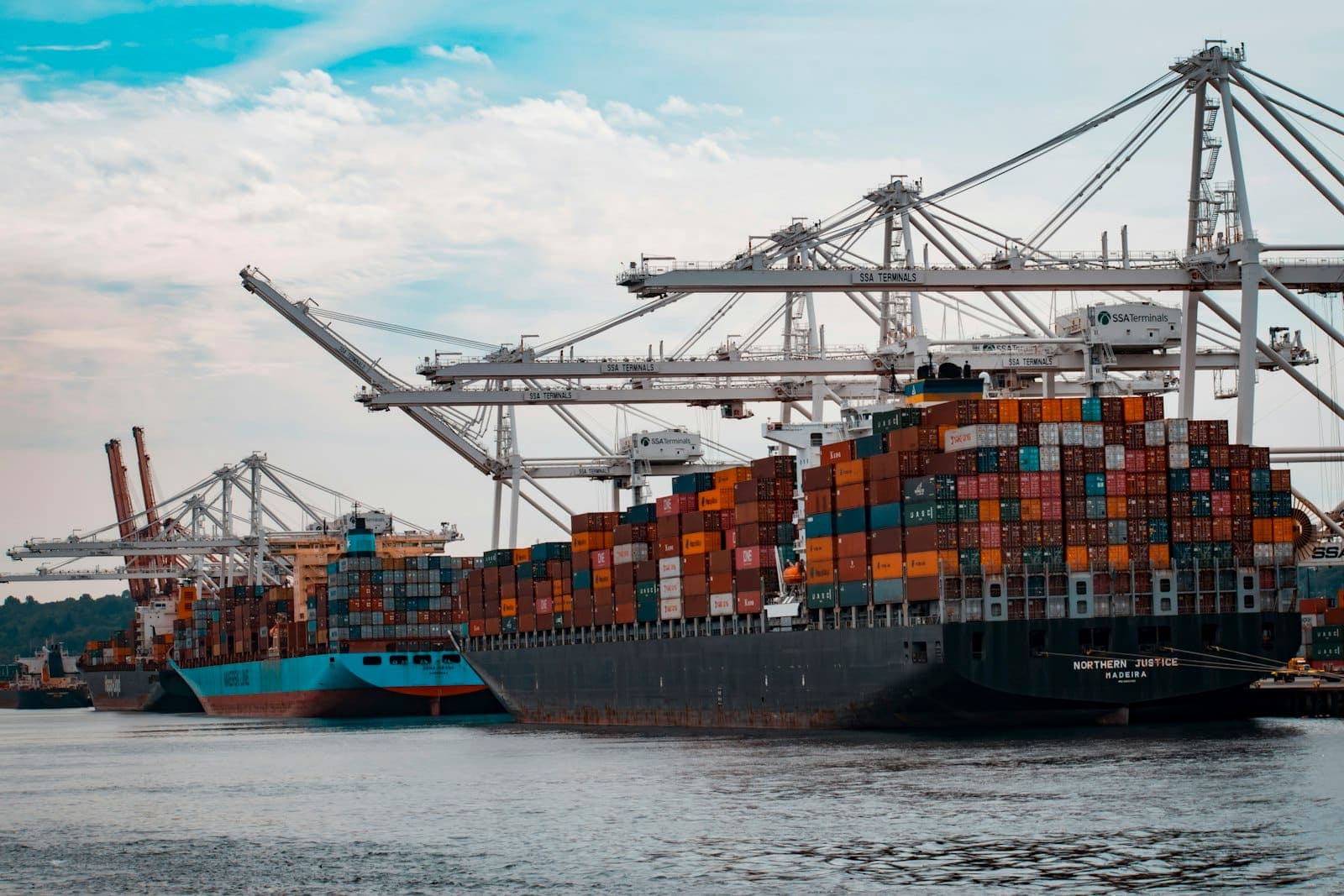
International shipping adds ports, customs and destination-country rules to the usual planning. Tell us where the vehicle is going and we'll go through the options and the paperwork to expect.
A good fit for
- International relocations
- Overseas vehicle buyers
- Exports to family abroad
- Vehicles returning to the U.S.
Two ways to ship overseas
| Feature | Roll-on/roll-off | Container |
|---|---|---|
| How it travels | Driven onto the vessel | Loaded and secured inside a container |
| Vehicle must | Run and drive | Fit the container; may be non-running |
| Personal items | Usually not allowed | Sometimes allowed, subject to the rules |
| Best for | Standard running vehicles | High-value vehicles or shared loads |
Paperwork comes first
Exports commonly need the original title, proof of ownership and ID, and any lien must be cleared. Requirements change, so we check them against your destination early.
Duties and destination rules
Import duties, taxes and vehicle standards are set by the destination country. Check them before you commit, because some vehicles can't be imported at all.
It depends on the route, the destination's rules and current shipping lines. Tell us the destination and we'll confirm what's possible.
Duties and taxes are normally the owner's responsibility and are set by the destination country. Ask a local customs broker for exact amounts.
Ready to book worldwide shipping?
Share your route and vehicle. We'll take it from there.